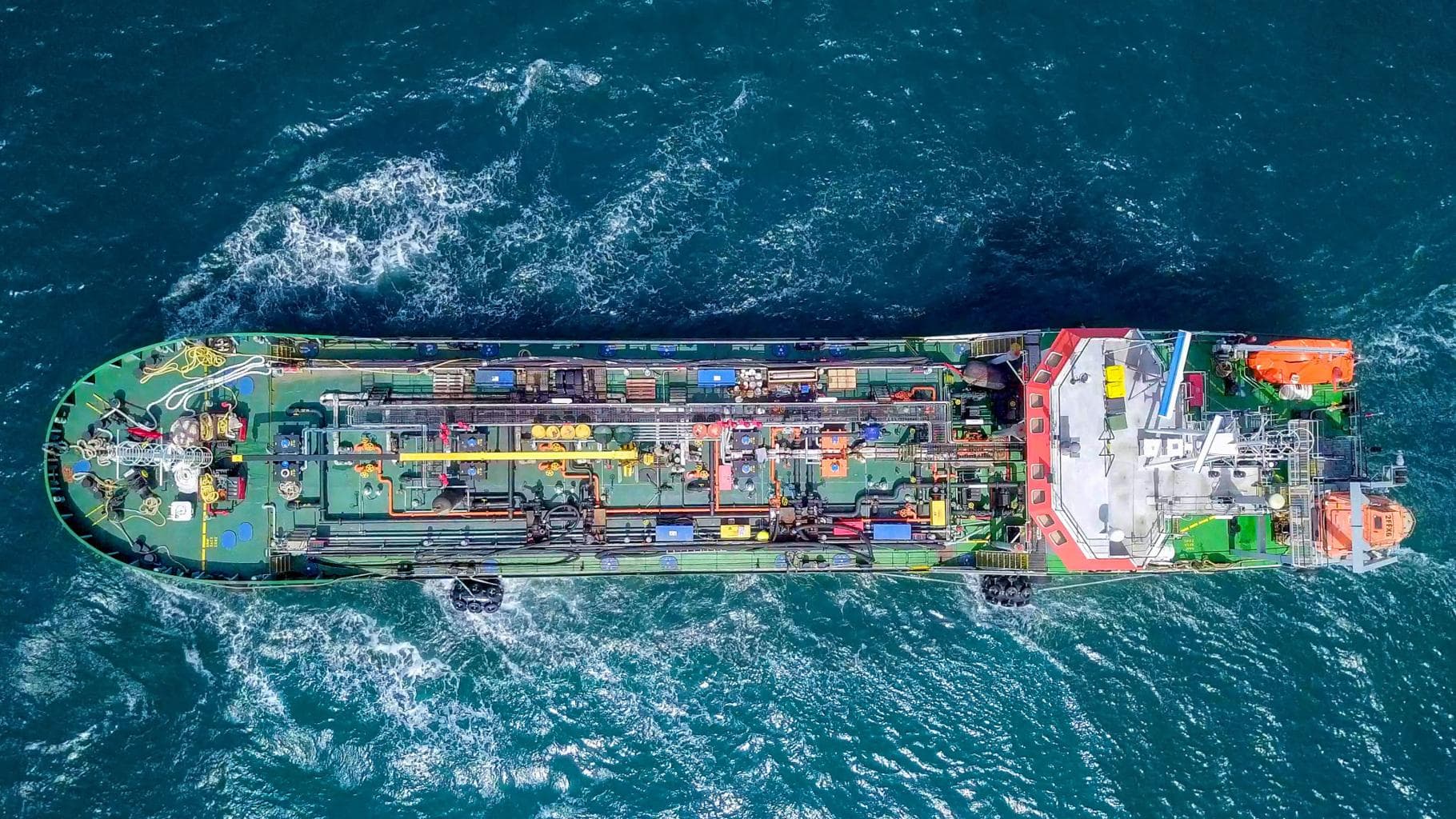
🌍 Global Oil Crisis 2026: A Historic Supply Shock Hits the World
The world is witnessing one of the most severe energy crises in modern history as escalating tensions in the Middle East disrupt global oil supply. The situation intensified after military actions involving the United States, Israel, and Iran, leading to a near shutdown of the Strait of Hormuz—a critical route responsible for nearly 20% of global oil and LNG transport.
According to global energy estimates, the crisis has already removed 8–10 million barrels per day (bpd) from supply—equivalent to nearly 10% of global demand. This marks one of the largest oil supply disruptions ever recorded.
⛽ Fuel Prices Surge Above $110: What’s Happening?
Global crude oil prices have skyrocketed in response to the supply shock:
- Brent crude: $107–$112 per barrel
- Intraday spikes: Up to $119
- Price surge: 40–50% since February 2026
Meanwhile, the United States has attempted to stabilize markets by releasing reserves, causing a widening gap between Brent and WTI prices—the largest in over a decade.
🇮🇳 Impact on India: Economy Under Pressure
India is among the hardest-hit countries due to its heavy dependence on oil imports:
- Imports nearly 90% of crude oil
- Domestic reserves cover only 20–25 days
- Inflation projected to rise to 4.1%
- GDP growth may slow to ~6.6%
The Indian rupee is weakening, fuel prices are rising, and government subsidies are increasing fiscal pressure. Stock markets have also reacted negatively, with benchmark indices declining amid investor uncertainty.
🌏 Global Impact: China, Europe & Markets React
🇨🇳 China
- Drawing from reserves for short-term relief
- Rising manufacturing and transport costs
- Slower industrial growth expected
🇪🇺 Europe
- Increased household energy bills
- Industries facing higher input costs
- Risk of stagflation rising
📉 Stock Markets
- Asia markets hit hardest
- South Korea’s Kospi saw sharp declines
- Global indices like S&P 500 fell 2–5%
📊 Inflation & Economic Risks Rising
Experts warn that the oil shock could:
- Increase global inflation by 0.5–0.6%
- Reduce global GDP growth by ~0.3%
- Push central banks to delay rate cuts
If the crisis continues, rising fuel costs could spill into:
- Food prices
- Transportation costs
- Manufacturing expenses
⚠️ Winners vs Losers in This Crisis
🟢 Benefiting Sectors
- Oil & energy companies
- Renewable energy investments
- Shale producers
🔴 Worst Hit Sectors
- Airlines
- Logistics companies
- Manufacturing industries
🔮 What Happens Next?
The future depends heavily on geopolitical developments. Key possibilities include:
- Diplomatic resolution easing supply pressure
- Continued disruption pushing oil prices toward $180–$200
- Increased investment in renewable energy
Experts believe this crisis highlights the urgent need for:
- Energy diversification
- Strategic oil reserves
- Renewable transition
🧠 Final Analysis
The 2026 oil crisis is more than just a price surge—it’s a wake-up call for global energy security. With markets volatile and inflation rising, the world faces a period of economic uncertainty not seen since the 1970s oil shocks.
Until stability returns, businesses, governments, and consumers must prepare for continued volatility in fuel prices and global markets.