Tesla to Launch ‘Terafab’ AI Chip Factory on March 21, Musk Says
Elon Musk Announces Mega AI Chip Project to Power Self-Driving and Robotics
Tesla CEO Elon Musk has announced that the company’s ambitious Terafab AI chip manufacturing project will launch on March 21, 2026.
The move marks a major step in Tesla’s push toward in-house AI chip production, aimed at powering its self-driving cars, humanoid robots, and AI data centers.
What is Tesla’s Terafab Project?
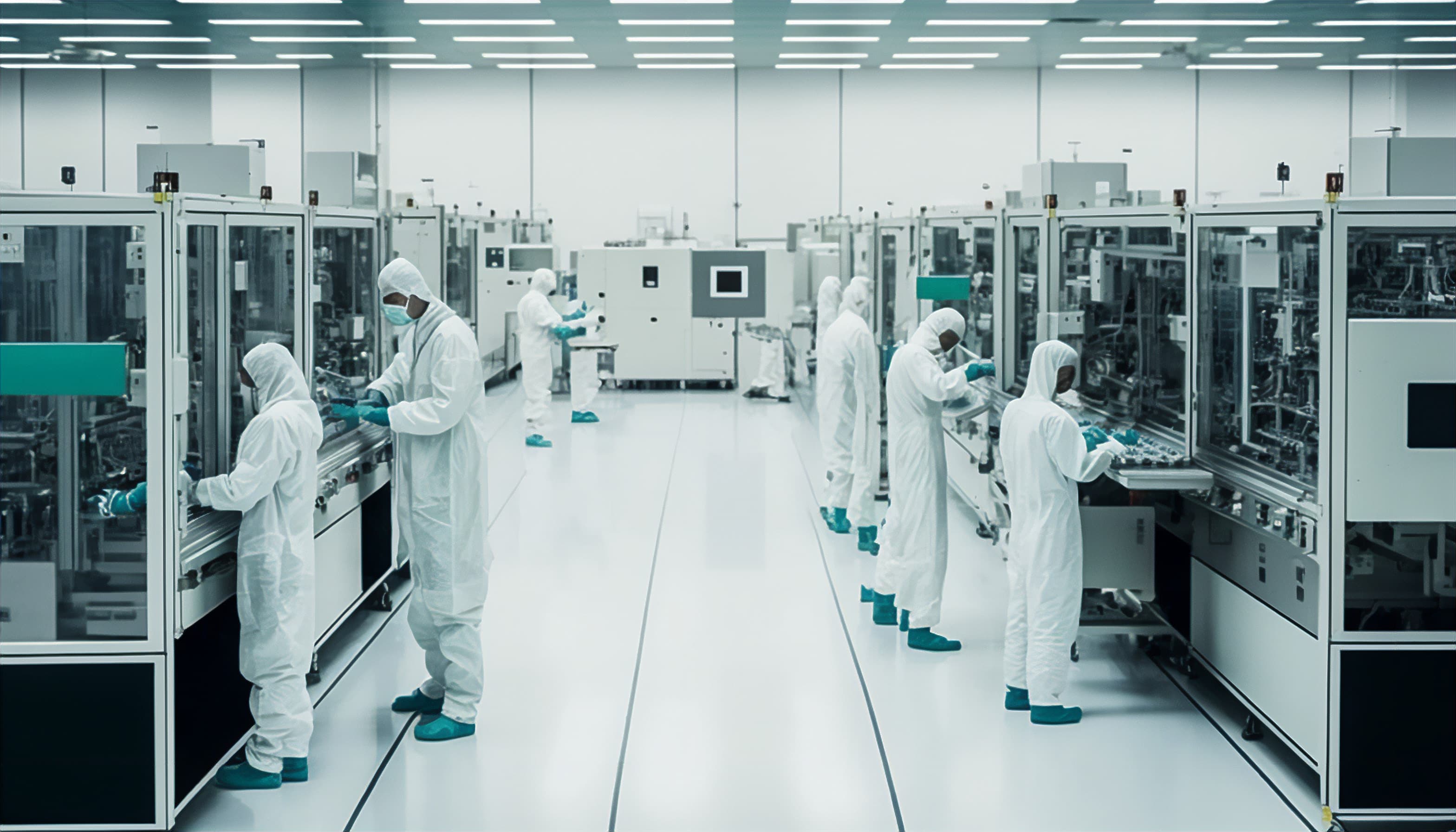
The Terafab is expected to be a next-generation semiconductor manufacturing facility, similar to Tesla’s Gigafactories but focused entirely on AI hardware.
Key Highlights:
-
Vertical integration: Combines chip design, memory, and packaging in one facility
-
Massive scale: Over 100,000 wafer starts per month initially
-
Future expansion: Potential to produce billions of AI chips annually
The factory will primarily produce Tesla’s upcoming AI5 chips, designed for high-performance computing.
⚡ AI5 Chip: Powering Tesla’s Future
Tesla’s AI5 processor is expected to deliver:
-
40x–50x higher compute performance
-
9x more memory capacity
-
Support for:
-
Full Self-Driving (FSD)
-
Optimus humanoid robots
-
AI training clusters
-
This chip will be central to Tesla’s AI ecosystem across vehicles and robotics.
🌍 Why This Matters
Tesla currently relies on suppliers like NVIDIA, TSMC, and Samsung for advanced chips.
However, growing demand for AI computing has created a global chip bottleneck.
Musk has indicated that external suppliers may not meet Tesla’s future needs, saying:
“I can’t see any other way to get to the volume of chips that we’re looking for.”
By building its own chip factory, Tesla aims to:
-
Reduce dependency on third-party manufacturers
-
Scale AI infrastructure faster
-
Strengthen its position in the AI and semiconductor race
Timeline and What’s Next
-
Launch Date: March 21, 2026
-
Announcement: Via Musk’s X post
-
Details Pending: Location, investment, and partners
The project also signals a shift from Tesla’s earlier Dojo supercomputer strategy toward custom AI chip manufacturing at scale.
Big Picture
The Terafab project could transform Tesla from an electric vehicle company into a major AI hardware player.
If successful, it may:
-
Accelerate fully autonomous driving
-
Advance humanoid robotics (Optimus)
-
Challenge traditional semiconductor leaders