India–EU Free Trade Agreement Nears Finalisation: What It Could Mean for Consumers and Businesses
India and the European Union have concluded negotiations on a long-awaited Free Trade Agreement. Here’s how it may impact cars, exports, jobs, and trade.
Introduction
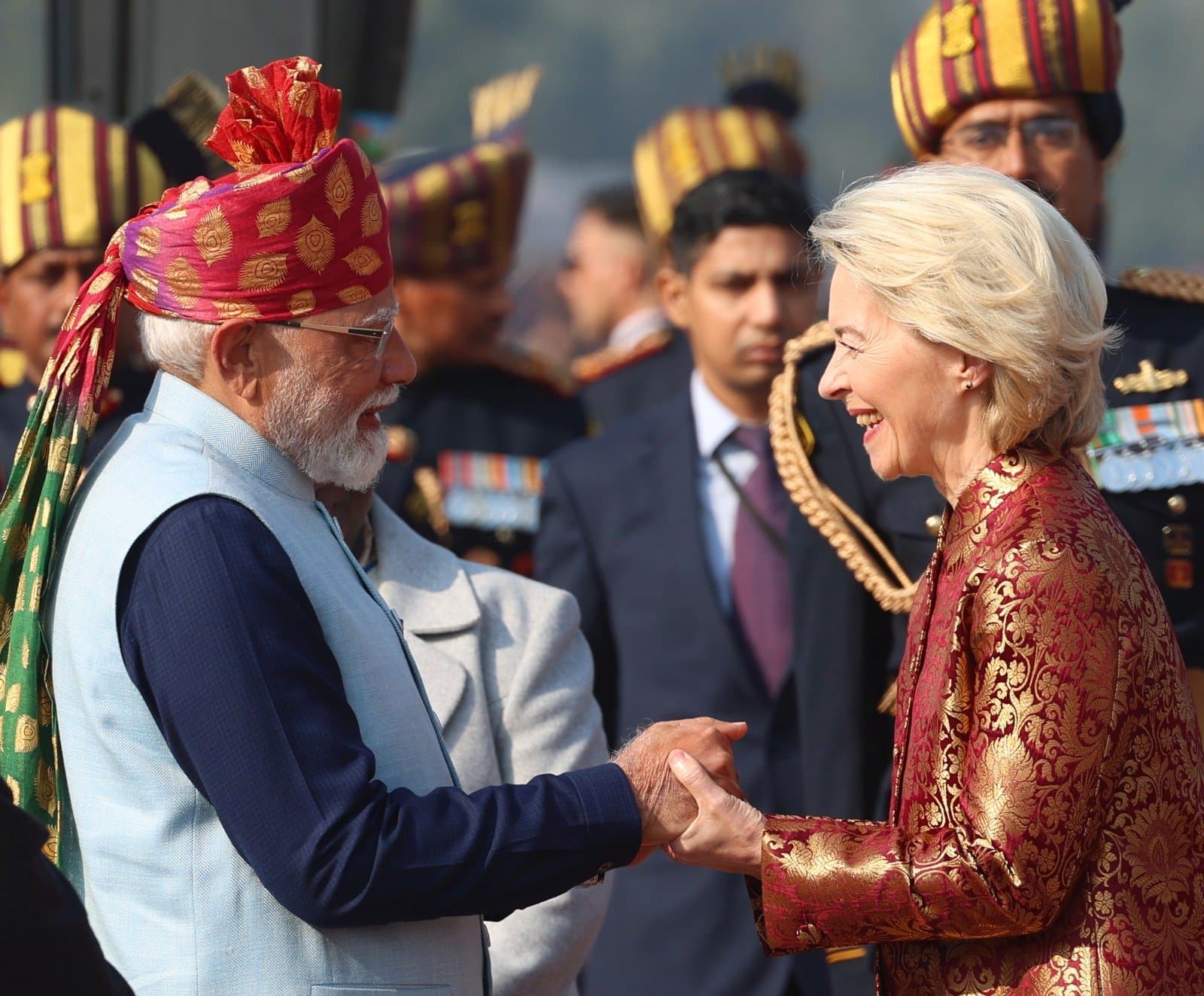
India and the European Union (EU) have concluded negotiations on a long-pending Free Trade Agreement (FTA), marking a significant step in strengthening economic ties between the two regions. The agreement, which has been under discussion for years, is expected to be formally presented during the upcoming EU–India Summit in New Delhi.
Officials indicate that the deal could influence multiple sectors, including automobiles, textiles, pharmaceuticals, and digital trade, though final terms will be confirmed after formal signing and ratification.
Possible Impact on Automobile Prices
One of the most discussed aspects of the agreement is its potential effect on imported vehicles.
Currently, high import duties have made European cars relatively expensive in India. Under the proposed framework:
- Import duties on certain European vehicles may be reduced
- Electric vehicles (EVs) could see lower tariffs compared to current levels
If implemented, this may improve price competitiveness for European car manufacturers operating in India. However, the exact pricing impact will depend on final policy details and market conditions.
Opportunities for Indian Exporters
The agreement is also expected to support Indian exports to European markets.
Key sectors that may benefit:
- Textiles and apparel
- Gems and jewellery
- Pharmaceutical products
Reduced or eliminated duties could make Indian goods more competitive compared to other exporting countries. Additionally, simplified regulatory processes may help Indian businesses expand their presence in Europe.
Ease of Doing Business and Mobility
Beyond tariffs, the agreement includes provisions aimed at improving business operations and collaboration.
These may include:
- Easier short-term mobility for professionals such as IT specialists and engineers
- Frameworks for digital trade and technology cooperation
- Investment protection measures to encourage cross-border investments
Such steps could strengthen long-term economic cooperation between India and the EU.
Strategic Importance of the Agreement
The timing of the agreement reflects broader global economic trends. With ongoing shifts in supply chains and trade policies worldwide, both India and the EU are looking to diversify partnerships and enhance economic resilience.
The partnership is also seen as an effort to promote stable and predictable trade relations in a changing global environment.
Economic Overview
- Bilateral Trade: Over $130 billion annually
- Combined Market: Nearly 2 billion people
- Global Share: Significant contribution to global economic output
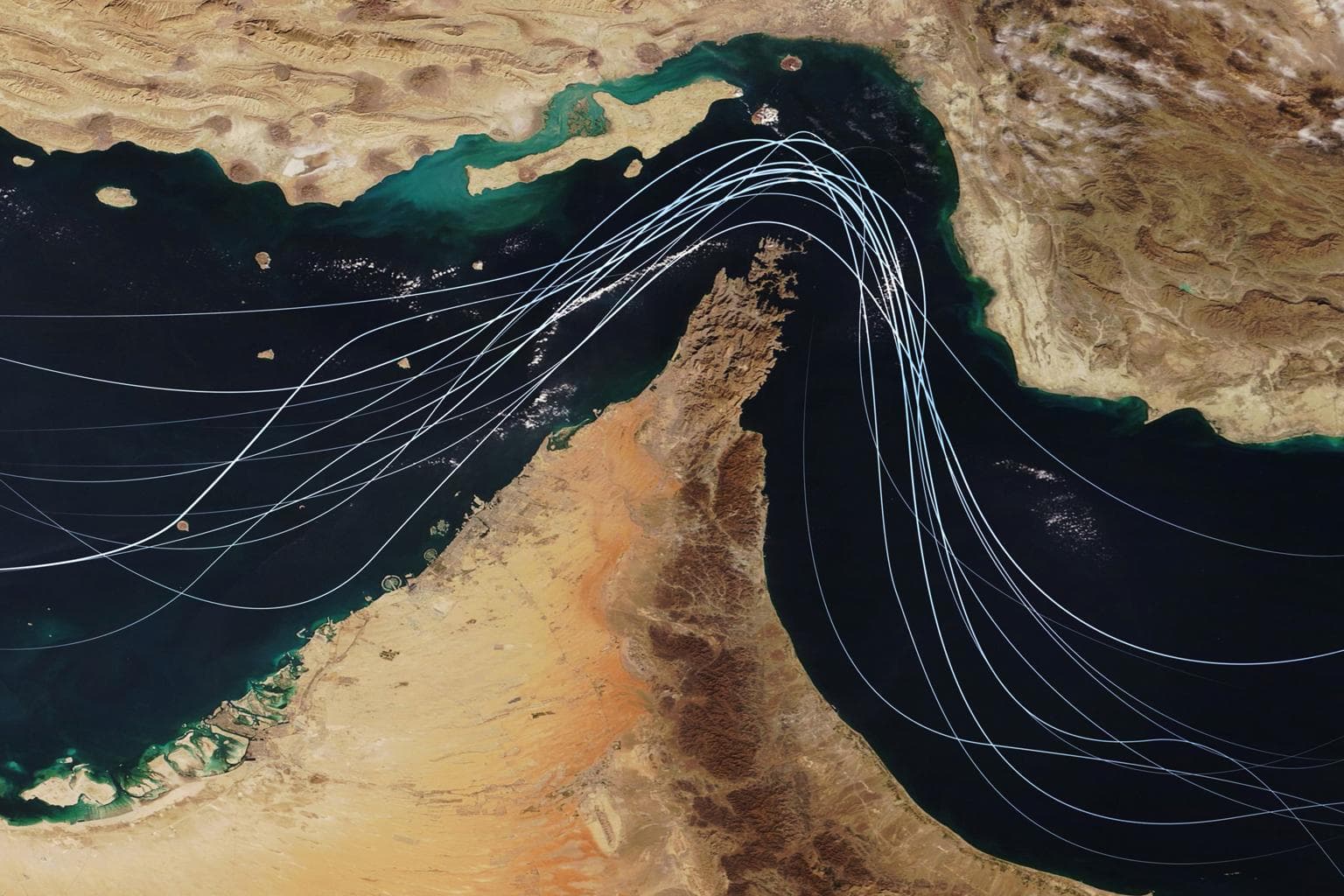
Improved connectivity initiatives, including proposed trade corridors, may further reduce logistics costs and enhance trade efficiency in the future.
What Happens Next?
Before the agreement comes into effect, several steps remain:
- Legal review and finalisation of the text
- Translation into official EU languages
- Approval by the European Parliament and member states
The full implementation timeline will depend on the completion of these procedures.
Conclusion
The India–EU Free Trade Agreement represents a major development in international trade relations. While its full impact will become clearer over time, it has the potential to influence prices, exports, and investment flows between the two regions.
Consumers and businesses alike are likely to benefit, depending on how the agreement is implemented in the coming years.