Strait of Hormuz Open – But Iran Blocks ‘Enemy’ Ships; Indian LPG Tankers Pass Safely
India Gets Safe Passage as Iran Restricts US-Linked Vessels Amid Rising Middle East Tensions
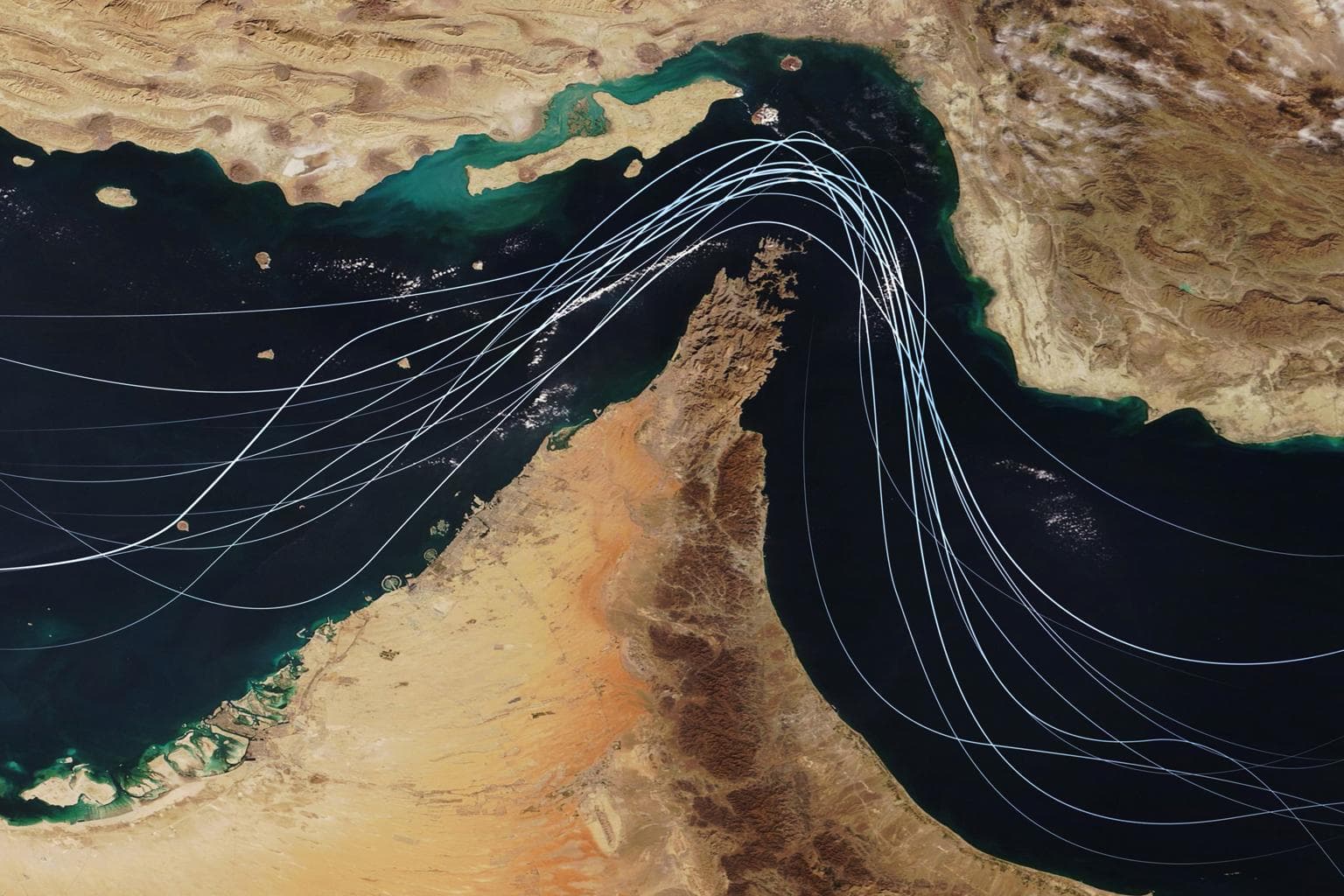
Amid escalating tensions involving Iran, the United States, and Israel, Iran has issued a crucial clarification regarding the Strait of Hormuz, one of the world's most vital energy shipping routes.
On March 15, 2026, Iranian Foreign Minister Abbas Araghchi confirmed that the strait remains open for global shipping. However, vessels linked to the United States, Israel, and their allies may face restrictions.
The development has drawn global attention as the Strait of Hormuz carries nearly 20% of the world's oil supply and significant liquefied natural gas (LNG) shipments.
Iran’s Position: “The Strait Is Open”
Speaking in an interview with MS Now, Foreign Minister Araghchi said:
“The Strait of Hormuz is open. It is only closed to the tankers and ships belonging to our enemies, to those who are attacking us and their allies. Others are free to pass.”
He added that some international vessels are avoiding the route due to security concerns rather than Iranian restrictions.
Senior Iranian official Mohsen Rezaee also warned that American ships would not be allowed to enter the Gulf.
Experts say Iran may adopt targeted disruptions instead of a full blockade, increasing pressure without triggering a large-scale military confrontation.
India Receives Special Exemption
In a positive development for India, two Indian-flagged LPG carriers safely crossed the Strait of Hormuz on March 14, 2026.
Reports indicate the ships included:
-
Shivalik
-
Nanda Devi
India’s Special Secretary at the Ministry of Ports, Shipping and Waterways, Rajesh Kumar Sinha, confirmed that the vessels completed the passage safely.
Iran’s ambassador to India Mohammad Fathali also acknowledged the move, highlighting the strong diplomatic ties between New Delhi and Tehran.
The exemption reportedly followed discussions between Prime Minister Narendra Modi and Iranian President Masoud Pezeshkian.
US Pushes for Naval Coalition
Meanwhile, US President Donald Trump has called for an international naval coalition to ensure the Strait of Hormuz remains open.
Countries reportedly considered for the coalition include:
-
China
-
France
-
Japan
-
South Korea
-
United Kingdom
In a post on Truth Social, Trump warned that Iran could deploy drones, naval mines, or missile attacks to disrupt shipping routes.
Why the Strait of Hormuz Matters
The Strait of Hormuz is one of the world’s most critical energy chokepoints.
Key facts:
-
Handles 20% of global oil supply
-
Major route for LNG shipments
-
Vital for energy-importing nations like India
Any disruption could significantly raise global oil prices and affect energy security.
Impact on India
India imports a large portion of its oil and LPG supplies from the Middle East, making safe access to the Strait of Hormuz crucial.
The successful passage of Indian tankers provides temporary relief for domestic LPG supplies, ensuring cooking gas deliveries remain stable despite rising geopolitical tensions.
India’s diplomatic balancing between global powers appears to be helping maintain stable energy trade routes during the crisis.